How Greenhouse Shade Cloth Can Boost Plant Growth and Save Energy!
As global temperatures rise and climate patterns become increasingly unpredictable, growers and agricultural producers are facing mounting challenges in maintaining optimal plant health and productivity. Whether operating a small backyard greenhouse or a large-scale commercial facility, one common goal remains: to control the growing environment in a way that maximizes plant growth while minimizing energy consumption—and this is where Greenhouse Shade Cloth plays a vital role in regulating light, temperature, and overall growing conditions.

This is where Greenhouse Shade Cloth comes into play—serving as a practical, affordable, and highly effective solution for greenhouse climate management. At Qingdao Agrishade Mesh Co., Ltd., we are committed to providing high-performance greenhouse covering solutions that help farmers and horticulturists worldwide achieve better yields and improve energy efficiency.
What Is Greenhouse Shade Cloth?
Greenhouse Shade Cloth is a specially designed fabric used to limit the amount of sunlight that enters a greenhouse. Unlike basic shading materials, shade cloth can be customized to filter specific intensities and spectrums of sunlight that affect plant growth. It is typically made from knitted or woven polyethylene mesh and comes with UV stabilizers to resist breakdown under sun exposure.
Available in a range of densities or "shade percentages," it allows gardeners and growers to finely tune the growing environment according to the specific needs of their crops.
Key Features:
- Shade Densities from 30% to 90%
- UV Stabilized Polyethylene
- Knitted or Woven Construction
- Available in Black, Green, White, Aluminet (Reflective Silver), and More
- Water Permeability for Rainfall or Irrigation
- The Science Behind Light and Plant Growth
Before understanding how greenhouse shade cloth affects plant growth, we must explore the relationship between light and plants. Photosynthesis, the process by which plants convert sunlight into energy, is directly influenced by light intensity, light quality (spectrum), and duration of exposure.
While light is necessary for plant development, too much sunlight—particularly in hot climates—can be harmful. Excessive solar radiation can cause heat stress, sunscald, and dry out soil and plant tissues, leading to:
- Reduced photosynthetic efficiency
- Leaf burn or yellowing
- Wilting and stunted growth
- High greenhouse cooling costs
That’s Where Greenhouse Shade Cloth Helps:
By appropriately reducing light intensity while retaining necessary wavelengths for photosynthesis, shade cloth ensures that plants receive only the amount and type of light they need to perform optimally.
Benefits of Using Greenhouse Shade Cloth
Investing in high-quality greenhouse shade cloth from Qingdao Agrishade Mesh Co., Ltd. offers dual benefits: it enhances plant growth and saves energy—creating a win-win situation for all types of growers.
1. Boosts Plant Growth and Health
Different plants have different light needs. Full sun varieties like tomatoes or cucumbers may tolerate strong sunlight, while shade-loving plants like lettuce, orchids, or ferns require filtered light. Greenhouse shade cloth helps create a microclimate tailored to your crop’s requirements.
- Prevents overheating of plant tissues
- Reduces leaf sunscald and UV burns
- Promotes controlled growth and balanced development
- Strengthens flowering and fruiting through temperature normalization
Scientific studies confirm that matching the correct shade percentage with plant requirements can lead to:
- 20-30% improved yield
- Higher-quality produce (size, color, texture)
- Later flowering support for extended harvest
2. Lowers Energy Consumption

One of the largest expenses in greenhouse operations is cooling and ventilation during hot seasons. Without shade, greenhouses can easily overheat to over 40°C (104°F), forcing fans and cooling systems to work overtime. Greenhouse shade cloth helps regulate internal temperature naturally.
- Blocks up to 80% of incoming solar radiation
- Reduces the need for mechanical cooling
- Preserves internal humidity, reducing water evaporation rates
- Saves on electricity bills for air conditioning and ventilation systems
3. Prevents Pest and Disease Spread
Shading cloth can provide a partial physical barrier against certain pests, airborne diseases, and polluting elements (dust, pollen, etc.). Especially when using fine-mesh variants, this added protection supports a clean and protected cultivation space.
4. Extends Growing Seasons
By controlling both light and heat levels, shade cloth enables growers to extend their production period, especially for sensitive crops. Growers can simulate spring or fall environments during peak summer conditions—resulting in year-round production capabilities.
5. Easy Installation and Versatility
At Qingdao Agrishade Mesh Co., Ltd., we produce customized greenhouse shade cloth in various sizes, roll lengths, and eyelet styles. Cloths can be installed over greenhouses externally, attached internally, or used as mobile overhead setups, making them extremely versatile for:
- Greenhouses (glass, plastic, tunnel type)
- Shade houses
- Outdoor nursery beds
- Hydroponic and aquaponic systems
Types of Greenhouse Shade Cloth Offered by Qingdao Agrishade Mesh Co., Ltd.
We provide different types of shading materials to meet every agricultural need:
1. Knitted Shade Cloth
- Tear-resistant and flexible
- Does not unravel when cut
- Ideal for greenhouses and nurseries
2. Woven Shade Cloth
- Stronger and more rigid
- Generally used for permanent installations
- Good UV and weather resistance
3. Aluminet Reflective Shade Cloth
- Reflects sunlight instead of absorbing it
- Maintains internal light quality while reducing heat
- Ideal for high-light environments or reflective needs
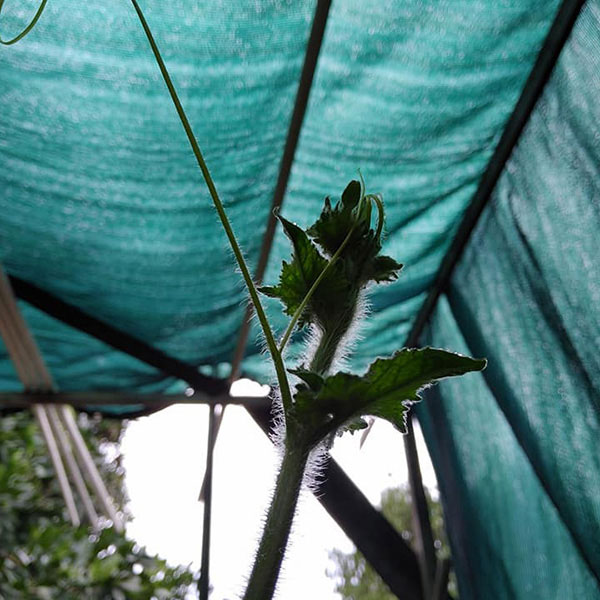
4. Black Shade Cloth
- Absorbs more heat, ideal for colder climates
- Affords excellent UV protection
5. White Greenhouse Shade Cloth
- Even light diffusion
- Reduces hot spots and promotes uniform crop growth
All shade cloths from Qingdao Agrishade Mesh are:
- UV-stabilized for long life
- Manufactured with high-quality polyethylene
- Available in rolls, precut sheets, or custom dimensions
- Eco-friendly and reusable
Also Read: HDPE Greenhouse Shade Cloth for Crops Manufacturer - Agrishade
Installation Tips and Maintenance
Proper installation ensures optimal performance.
Tips:
- Secure edges with fasteners or clips every 0.5–1 meter
- Maintain proper tension to avoid fabric sagging
- Install externally for maximum solar reflection, internally for moderate control
- Roll-up or retract when not needed (with mobile systems)
- Clean occasionally with mild soap and water
How Greenhouse Shade Cloth Saves Energy
Let’s consider a practical example.
In an unshaded greenhouse exposed to intense sunlight, internal temperatures can rise 10–15°C above outside temperatures. The use of cooling fans or exhaust systems is essential, increasing electricity usage.
With shade cloth:
- Internal temperatures decrease by up to 8–12°C
- Humidity is better retained, decreasing irrigation frequency
- Fan run time reduces by 30–50%, significantly lowering energy costs
Using shade cloth can result in 20–40% energy savings depending on location, greenhouse design, and equipment.
Case Study: Farmers Improve Yields in Summer Using Agrishade Greenhouse Shade Cloth
One of our clients from Southern Spain, operating a commercial tomato farm, faced major challenges during summer. Temperatures climbed above 35°C (95°F), leading to fruit cracking and poor pollination. After applying our 40% Aluminet greenhouse shade cloth, the following improvements were recorded:
- Internal temperature dropped by 9°C
- Tomato yield increased by 18%
- Energy consumption from fans reduced by 36%
- Extended harvest by four weeks
A similar success was reported by a flower nursery in Kenya, where flower color improved due to evenly diffused sunlight under white 50% knitted shade cloth.
Why Choose Qingdao Agrishade Mesh Co., Ltd.?

With over 20 years of industry experience, Qingdao Agrishade Mesh Co., Ltd. is one of China’s leading manufacturers and exporters of agricultural mesh materials. Our commitment to quality, innovation, and customer satisfaction makes us your ideal partner for all greenhouse covering needs.
Why Our Customers Trust Us:
- High-grade HDPE with UV stabilizers
- Strict quality control and durability testing
- Competitive pricing and bulk supply
- Customized solutions (color, size, type)
- Fast global shipping and after-sale support
Whether you're a small grower or commercial farm operator, we provide scalable solutions critical to climate-smart agriculture.
Greenhouse climate management has never been more critical. With rising temperatures, prolonged droughts, and increasing energy costs, growers everywhere are searching for smart, sustainable, and affordable solutions. Greenhouse Shade Cloth offers exactly that—a versatile tool to promote healthier plants, improve crop yields, and cut down on cooling expenses significantly.
Frequently Asked Questions (FAQ)
Q1: What is the lifespan of your greenhouse shade cloth?
A: Most of our UV-stabilized shade cloths last between 5–7 years with proper use and maintenance.
Q2: Can I use shade cloth year-round?
A: Yes, but usage depends on the season. In the winter, you may need to roll it back to allow more sunlight in.
Q3: What’s better—external or internal installation?
A: External installation offers better temperature control as it blocks sunlight before entering. Internal placement is easier but may be slightly less effective.
Q4: Which shade percentage should I choose?
A: This depends on your crops and climate. Our team can help you select the ideal grade based on your project objectives.
Q5: Is your shade cloth recyclable?
A: Yes. Our cloths are made from recyclable polyethylene and are free of toxic coatings.
Q6: Do you offer custom sizes?
A: Absolutely! We manufacture shade cloths in custom sizes, densities, stitching patterns, and with optional grommets.


Comments
Post a Comment